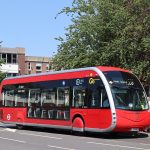





















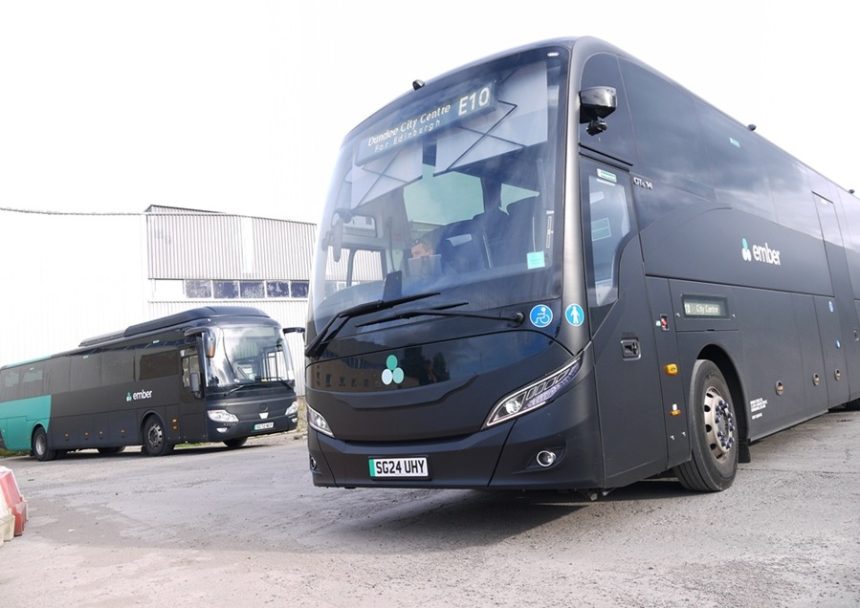
The coach market has long been the forgotten sibling of the UK bus sector when it comes to decarbonisation. Bus operators have well over 20 electric models to choose from, while there are still only two available to those running coaches.
But, at last, there are signs that things are changing. The government’s Heavy Goods Vehicle CO2 Emissions Regulatory Framework, published for consultation in early January, explicitly considers whether coaches should be brought into scope as part of the broader decarbonisation pathway.
Consultation options are framed in a way that could allow the regulatory scope to be extended beyond freight vehicles, so while it does not commit to the introduction of legal targets for coach emissions, it clearly opens the door to treating coaches more like HGVs in emissions policy – a big shift from past UK practice.
Coaches matter in the decarbonisation debate because, compared to passenger cars, they are among the greenest choices for longer journeys – especially in terms of per-passenger-mile emissions – yet they still largely rely on diesel.
As well as signalling a potential future regulatory pathway for new non-zero-emission coaches, the consultation encourages the coach industry and its stakeholders to offer evidence on technical barriers, infrastructure needs, and the practical impacts of the zero-emission transition on coach operations.
It also highlights the need for infrastructure planning – charging and refuelling – to be aligned across both heavy freight and passenger vehicles.
Without defined phase-out dates for new diesel coach sales, the market still lacks certainty. While the government has a broad aim to end sales of all new non-zero-emission road vehicles by 2040, explicit interim milestones could help to provide greater clarity.
However, such regulatory ‘sticks’ will likely need to be backed by ‘carrots’ in the form of scrappage support and financial incentives for early zero-emission coach adoption, along the lines of what is already available to buyers of electric cars and vans and via the Plug-in Truck Grant.
The coach industry would be well advised to push for the provision of public infrastructure suitable for coaches that is more than depot-bound but available along motorways and at tourist destinations and coach hubs.
Of course, the cost and practicality of introducing new technologies differ widely depending on operator size and route profile. We will need policy design that recognises those differences and avoids penalising smaller regional operators facing different challenges to the larger and long-distance national companies.
The Heavy Goods Vehicle CO2 Emissions Regulatory Framework consultation has – and not before time – opened the door to a thorough analysis of and prescription for decarbonisation of the UK’s coach sector.
There will be an opportunity for Zemo Partnership members with ‘skin in the game’ to engage with the consultation through a Zemo online event on 17 February. Others can engage through direct channels, as outlined in the consultation – which closes on 17 March.
For more about Zemo’s work supporting the coach and bus transition, membership, and to join its Public Mobility Working Group, visit its website. For more on the 17 February meeting, click here.