













By using this site, you agree to the Privacy Policy and Terms & Conditions.
Accept
routeonerouteonerouteone
  • News
    • Show all
    • Awards & Events
    • Deliveries
    • Environment
    • Exhibitor News
    • Euro Bus Expo
    • Features
    • Legal
    • Minibus and minicoach
    • Operators
    • Opinion
    • People
    • Suppliers
    • Vehicles
  • Vehicles
    • Find a Vehicle
    • ZEV Comparison Tool
    • Sell a Vehicle
    • Vehicle Seller Dashboard
  • Insights
  • Careers
  • Events
    • British Tourism & Travel Show
    • Euro Bus Expo
    • Innovation Challenge
    • routeone Awards
  • Advertise
  • Contact
    • Share your news
    • Subscribe
    • Update Subscription Details
  • Latest Issue
  • SIGN UP
Reading: Integration of bus and rail services still faces many blockages
Share
Font ResizerAa
Font ResizerAa
routeonerouteone
  • News
    • Show all
    • Awards & Events
    • Deliveries
    • Environment
    • Exhibitor News
    • Euro Bus Expo
    • Features
    • Legal
    • Minibus and minicoach
    • Operators
    • Opinion
    • People
    • Suppliers
    • Vehicles
  • Vehicles
    • Find a Vehicle
    • ZEV Comparison Tool
    • Sell a Vehicle
    • Vehicle Seller Dashboard
  • Insights
  • Careers
  • Events
    • British Tourism & Travel Show
    • Euro Bus Expo
    • Innovation Challenge
    • routeone Awards
  • Advertise
  • Contact
    • Share your news
    • Subscribe
    • Update Subscription Details
  • Latest Issue
  • SIGN UP
© 2026 routeone News | Powered by Diversified Business Communications UK Ltd
- Advertisement -
routeone > Opinion > Integration of bus and rail services still faces many blockages
Opinion

Integration of bus and rail services still faces many blockages

Bringing the two modes together is a holy grail of public transport – but is fraught with difficulty

Steve Warburton - Head of Operations, TAS Partnership
Published: 15 June 2026
Share
Integration of bus and rail services still faces many blockages
SHARE

Much lip service has been paid to integration of bus and rail services – in some cases with significant funding, but on a short-term basis. That means links come and go.

The rail service is funded nationally, with seemingly endless financial support. The bus is the responsibility of a cash-strapped council. That is the way it is, so while the train runs until midnight, the bus often stops at 1800hrs.

Funding is only one blockage. Many towns have railway stations ‘in the wrong place’, some distance from the retail centre. Think Colchester, or Bristol Temple Meads. Perhaps the retail centre has moved since Victorian times, while the railway understandably has not.

There are rail stations topographically removed, up on viaducts like Durham or Stockport, and others where 60s and 70s planners cut them off with major dual carriageways, as at Stirling.

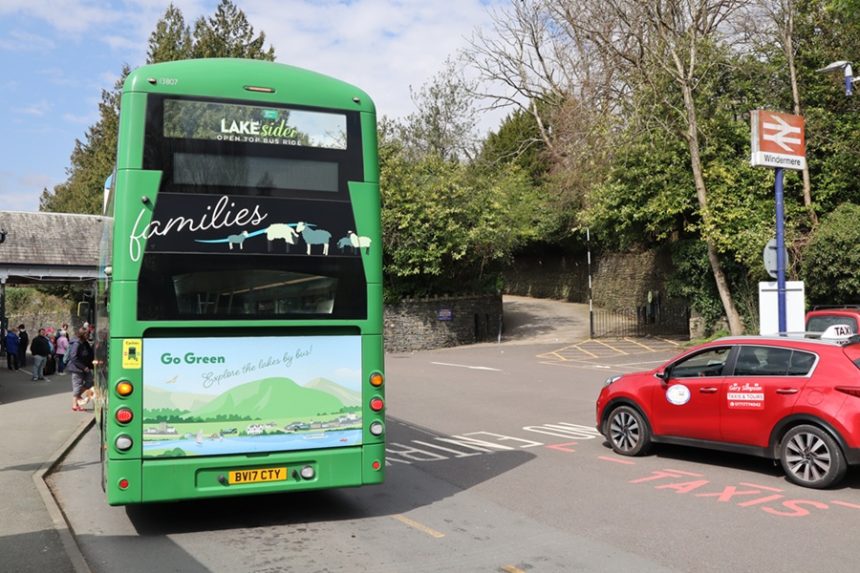
Away from large towns, road access to railway stations is often difficult, as anyone who has experienced a multi-point reversing manoeuvre on an all-stops rail replacement service will testify. It is made worse by cars parked in a fashion like they have been dropped randomly from the sky.

Buses can only serve these remote stations either if the bulk of passengers suffer an inconvenient diversion, or if somebody funds an extension. Either works in a fashion if both bus and rail run at reasonably frequent intervals.

If both of those modes run at lower frequencies, then surely it is easy to get one to connect with the other. Usually, the bus is the ‘moveable feast’. But that assumes connecting with trains is the bus’s main function. It seldom is.

The classic connecting bus ‘out in the sticks’ squeezes multiple functions into minimum resource. What more can one vehicle do? The number of boarders and alighters per train at some rural stations is in single figures, which can easily translate to zero bus users.

Systemic failures can mean that bus schedules painstakingly recast to connect are thwarted at the next rail timetable change so the two no longer meet, and perpetual timing changes can destroy the core bus market until eventually there is no bus service at all.

The Hope Valley’s forthcoming ‘Little Switzerland’ scheme recognises all of this with significant revenue funding to allow flexibility, funded over a fixed term, of course. I wish it well – yet it still has to ensure that the baby is not ejected with the bathwater, and if it does not work, is there an exit plan?

TAGGED:Busintegrationrailtransport
Share This Article
Facebook LinkedIn Threads Email Copy Link
Previous Article Better Transport Week coach Better Transport Week will put coach industry in the spotlight
Next Article Bus Safety Standard phase two brings TfL great credit for work Bus Safety Standard phase two extent brings TfL great credit
- Advertisement -

Latest News

Building pride to strengthen recruitment in coach and bus sectors
Opinion
Coach and bus legal Q&A: speeding and menopause action plans
Legal
Entry/Exit System: not designed with coach passage in mind
Schengen Entry/Exit System: not designed with coach in mind
Opinion
More than 100 stakeholders gathered for the Coach Tourism Association's (CTA) Spring Networking event in Cardiff on 9-11 May.
Highlighting the size of the coach sector’s contribution
Opinion
- Advertisement -

routeone magazine is the indispensable resource for professional UK coach, bus and minibus operators. The home of vehicle sales and the latest bus and coach job vacancies, routeone connects professional PCV operators with complete and unrivalled news coverage.

  • Terms & Conditions
  • Privacy Policy
  • GDPR Policy
  • Sustainability
  • Advertise
  • Latest Issue
  • Share Your News
routeonerouteone
Follow US
© 2026 routeone News | Powered by Diversified Business Communications UK Ltd