




















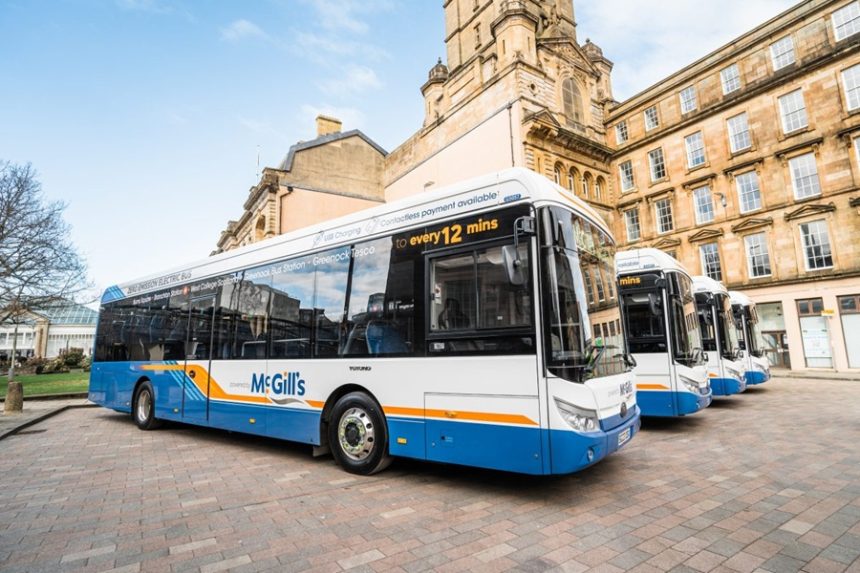
McGill’s Group has committed to a new long-term tyre contract with Michelin. It will see the manufacturer supply and manage tyres across the operator’s combined fleet of around 625 vehicles.
The two businesses have been working together for more than 20 years. The new agreement captures a portion of the McGill’s fleet that previously was shod with tyres from a different provider following acquisition of the former First Bus Scotland East operation in 2022.
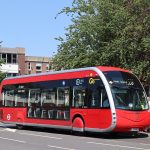
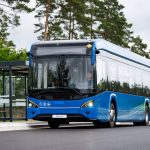
Coaches and buses are part of the agreement. McGill’s 151 battery-electric buses will be fitted with the Michelin X InCity EV Z tyre. It is a multi-position casing that while designed for electric vehicles, is equally effective for those with internal combustion engines.
That product brings what Michelin says is excellent safety, longevity and load capacity, while also helping to reduce rolling resistance. The latest generation Michelin X Multi Z and D tyres will be fitted to some of the group’s smaller single-deck buses.
All casings supplied under the contract will be managed through a multi-life policy. Michelin technicians will regroove worn fitments on site once tread depth reaches 3-4mm. Once the regrooved tyres have worn, they will be retreaded by Michelin at its Remix plant in Stoke-on-Trent. That doubles the casing lifespan and supports UK manufacturing, it notes.
McGill’s Group Chief Executive Tony Williamson says that the business has long enjoyed a strong working relationship with Michelin.
“Our total fleet size has grown significantly in recent years, and bringing every bus we have on the road under one new management contract simplifies our processes – making things easier when moving vehicles between different routes and operations,” adds Mr Williamson.
He observes how the Michelin 4R strategy – reduce, reuse, recycle and renew – and a stringent disposal policy for worn-out casings are further benefits.
“Michelin’s commitment to sustainability was a major factor in the latest contract. Through this detailed management policy, it helps us to get the absolute maximum from every tyre, which reduces our impact on the environment.”