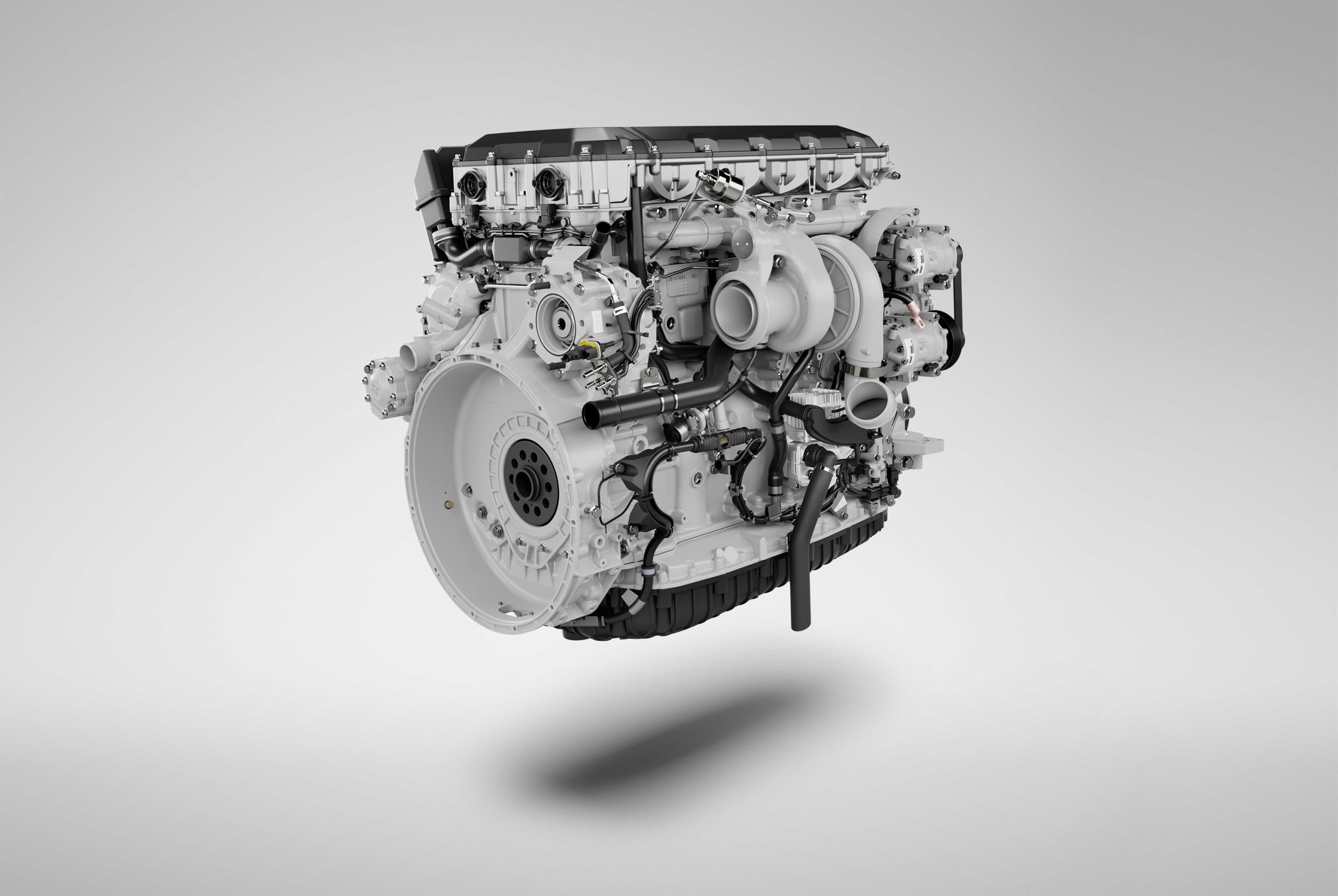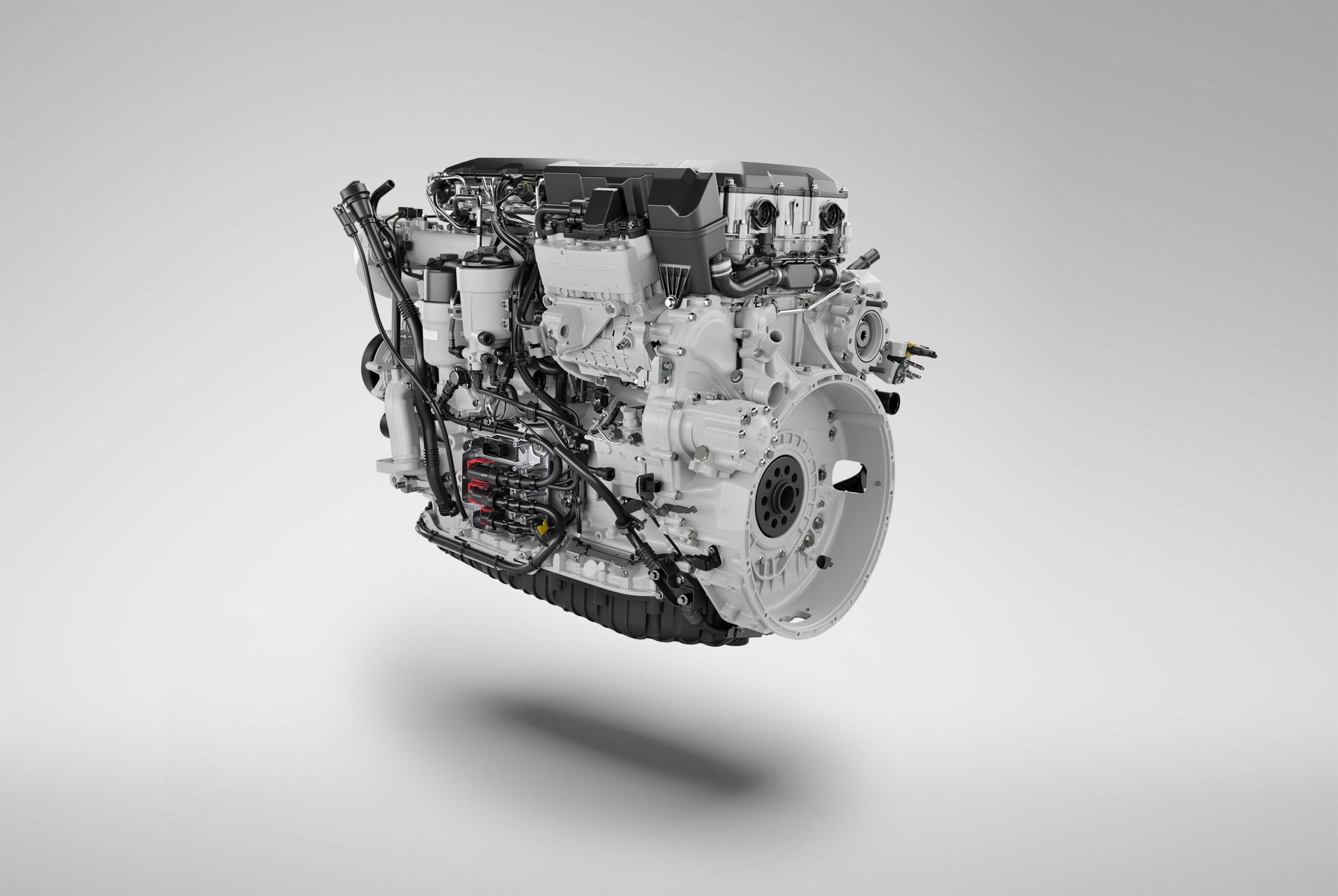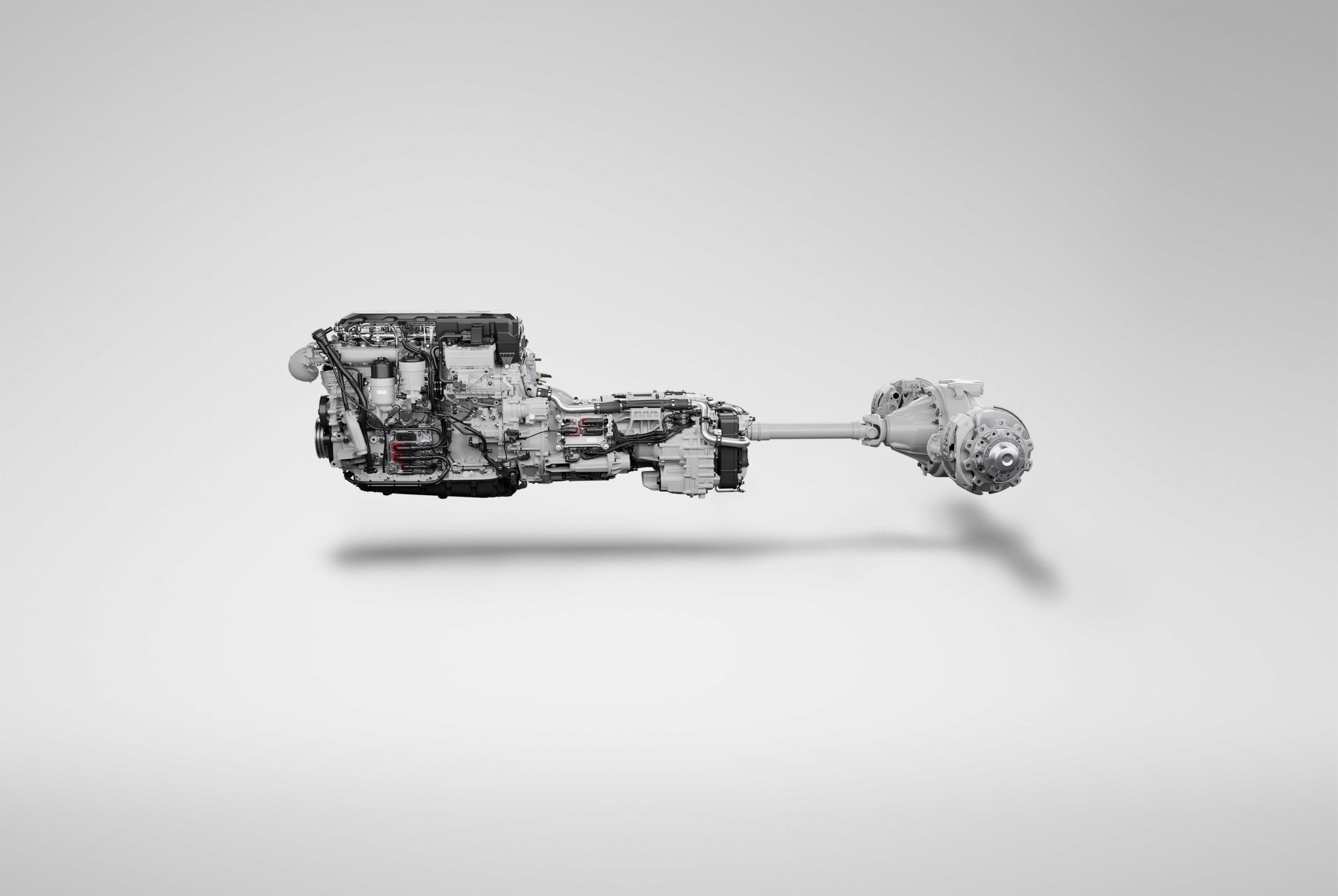




















Scania has expanded its Super powertrain line-up with the launch of a new 11-litre engine platform for both coach and bus applications.
The Super 11 is offered as part of Scania’s wider updated powertrain platform, derived from its Super truck driveline and adapted for passenger transport use.
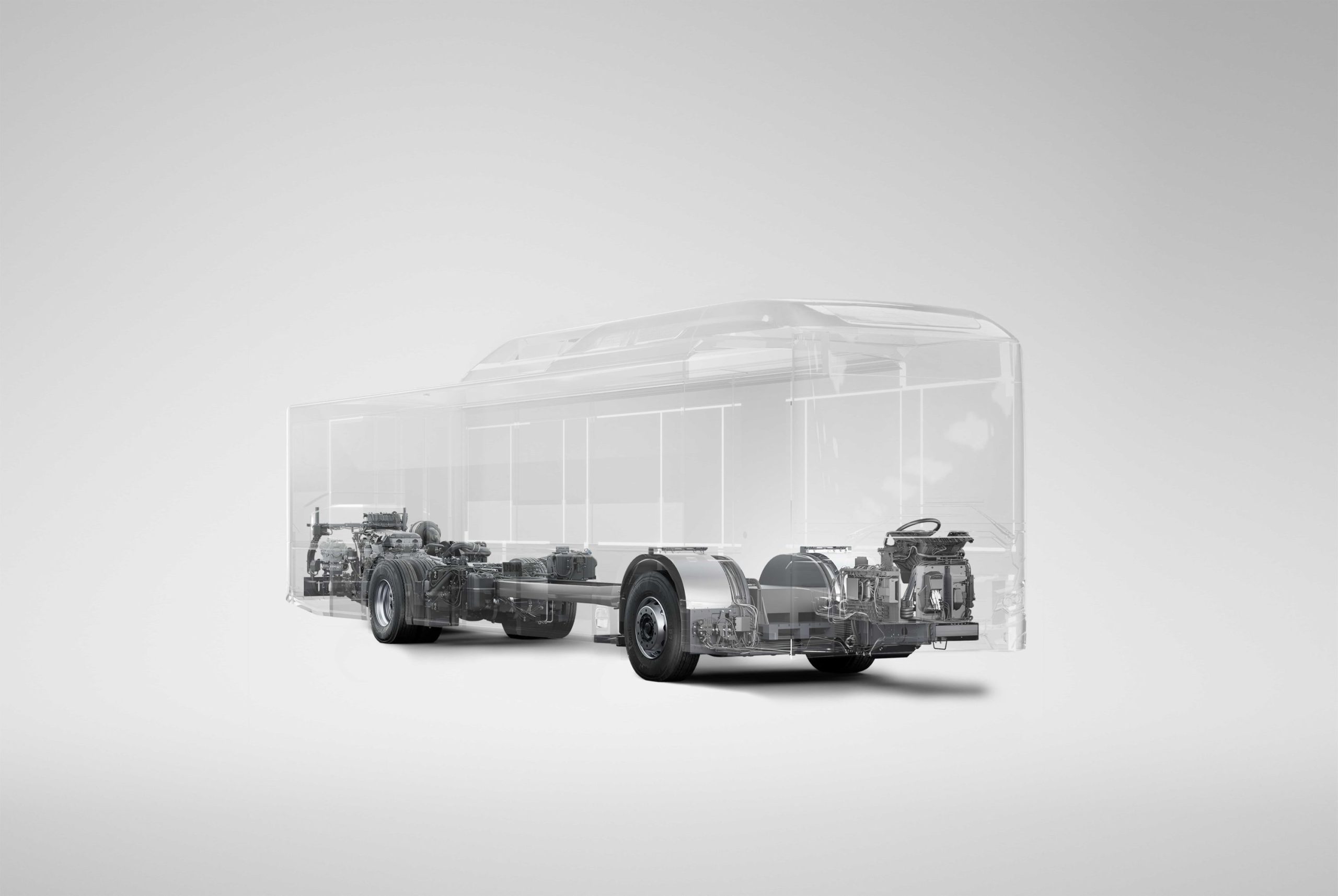
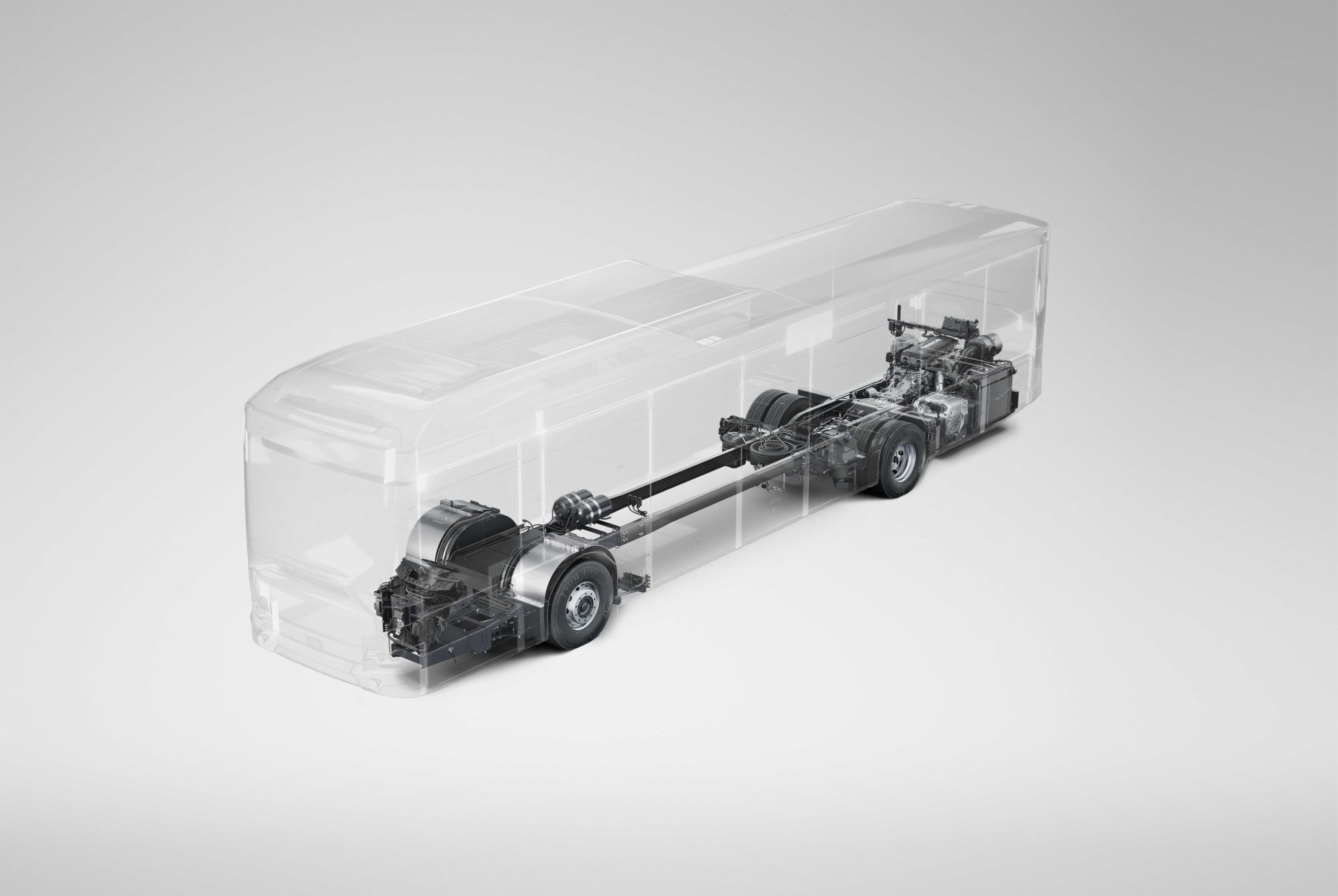
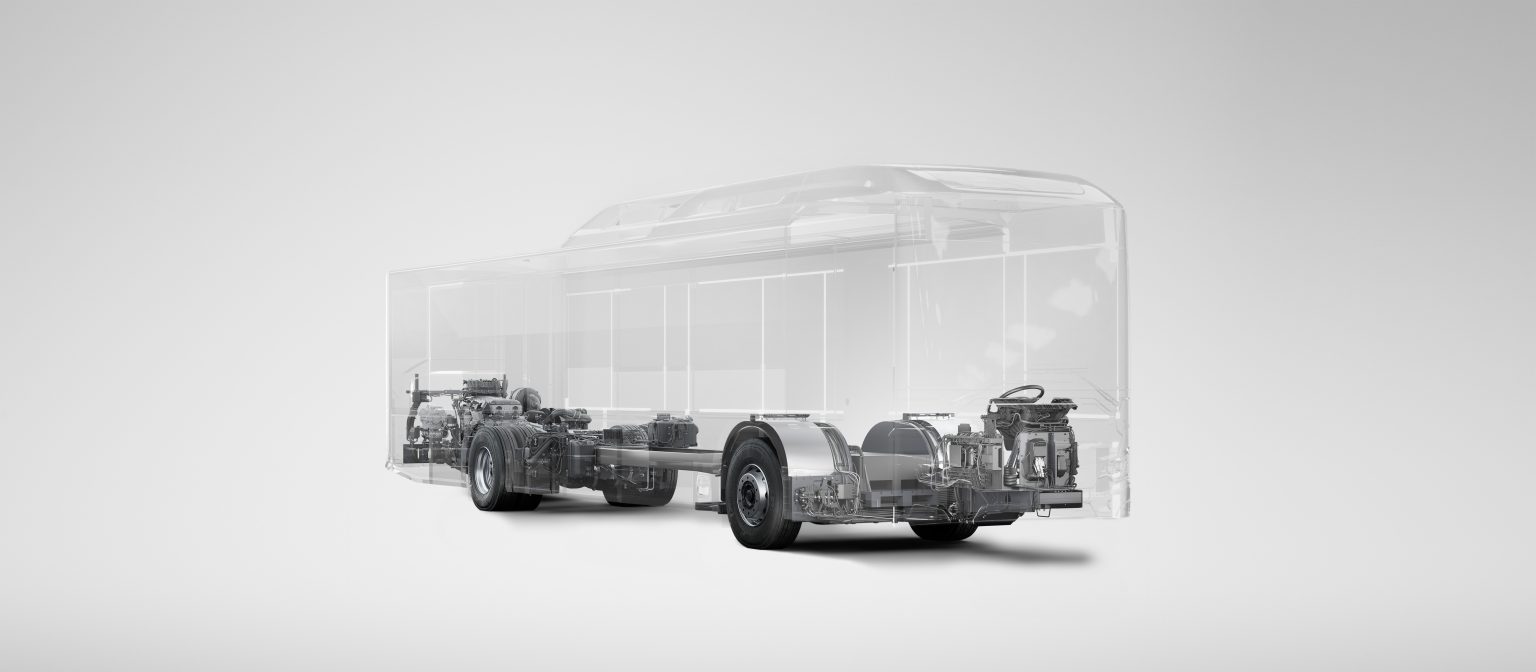
Alongside the new engine, the platform includes new rear axle options, revised braking systems, updated chassis architecture, and a new aftertreatment system with twin SCR for Euro VI applications.
The 11-litre option arrives six months after the launch of Scania’s 13-litre Super powertrain for passenger transport applications, and delivers similar benefits. It is positioned as more powerful and efficient than the existing 9-litre engine, while being a lighter and more versatile alternative to the 13-litre Super option, aimed at operators working across urban and intercity routes where the 13-litre may be more than is required. A brochure claims the rear module for the high floor K-chassis has been updated to perfectly fit all the components of the new powertrain in the rear section, with five variations for rear-overhang options all fitting the same dimensions as before, meaning body designs for Scania’s previous chassis variation can be easily fitted to the new platform.
Power outputs are 350hp, 390hp and 430hp, delivering representative fuel and emissions savings of up to 10% compared with the Super 11’s predecessor. By comparison, the 13-litre Super powertrain is rated at an 8% saving. The engine is compatible with HVO and biodiesel (FAME), in keeping with Scania’s other offerings.
It is fitted with the new Opticruise (G25) gearbox, made lighter with aluminium construction, shorter, and with a wider gear range. The manufacturer says this delivers better starting performance through improved torque at low revs, along with lower revs at cruising speed, contributing up to 1.5% of the total fuel savings. The Super 11 can also be optioned with the ZF EcoLife 2 gearbox, suited to urban stop-start work. Updated rear axle choices target better payloads at reduced weight, and reduced noise and fuel consumption.
Braking has also been updated, with a new multi-step system based on an improved version of Scania’s previous electronic brake system. The Super 11 also features Variable Valve Braking (VVB) as standard, which combines compression release brake technology from the 13-litre Super with cam phaser technology developed for the 11-litre platform, delivering braking power of up to 350kW and (depending on operating conditions) potentially allowing for the removal of the retarder entirely, saving approximately 80kg in weight.
Workshop downtime is expected to reduce thanks to a redesigned service layout, with oil and fuel filters again repositioned together on the cold side of the engine, removing the need for technicians to wait for the engine to cool before carrying out replacement work. Just as with the Super 13, Scania claims an improved operational lifespan of up to two million km, a 25% improvement over its equivalent predecessor.
“The new Super 11 powertrain will help many urban and travel segment customers reduce their CO2 footprint, while also providing an economically competitive solution that meets their business needs now and in the years ahead,” says Anders Liss, Global Head of Business Solutions for People Transport Solutions at Scania. “As perhaps the most efficient combustion powertrain on the market, it will be a very strong solution for operations where there will be a continuing need for combustion technology.”