




















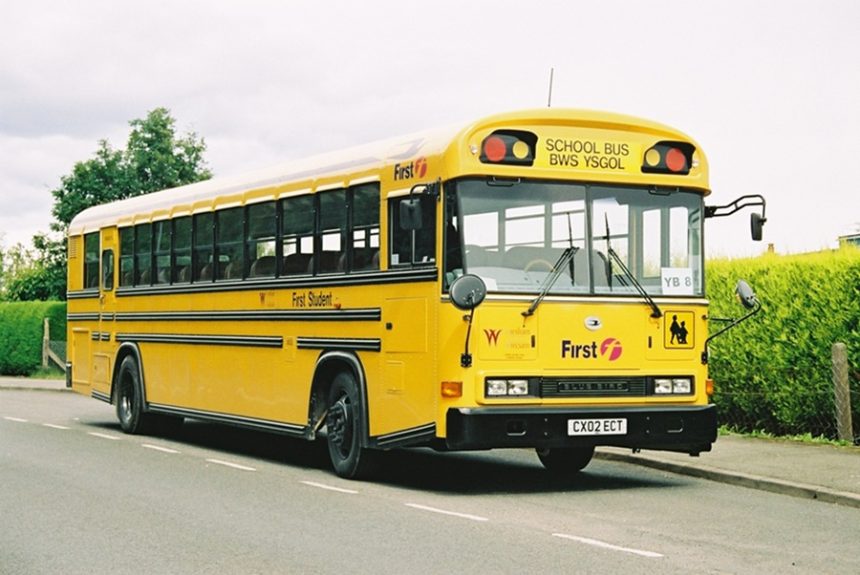
Home-to-school transport is a core income source for many operators, particularly SMEs. And yet in England at least, some of that procured by local authorities (LAs) is in a financial hole.
Much of the large overspend seen is driven by increasing SEND needs, but pressure on mainstream budgets is as clear. Costs and demand are rising, according to a National Audit Office report.
Various methods are being tried by LAs to reduce what they spend. But that cannot alter how if providers’ costs increase, they will be passed on at the bidding phase regardless of a council’s actions to mitigate it.
Talk of longer-term contracts being beneficial to both parties is established. An operator in Wales notes how they are useful for planning investment. They remove the lottery of bidding every three or five years, but against that sits the risk of shocks such as those since 2020, inflation-related increases notwithstanding.
Of interest to a handful of educational institutions is gaining an O-Licence and taking transport in-house, which one says partly relates to financial pressures.
Some LAs have brought services under direct operation, but that has a chequered history in the more distant past and does not always last the course. Reverse auctions as another means of reducing expenditure are not to everyone’s taste.
What to do? Fund it properly, is what. In England, reform of how home-to-school money is allocated from central government is underway. Some operators have already moved away from school transport, and if more do the same, costs will continue their spiral.