



















Some in the industry will be wondering what future hydrogen power has for coach and bus. Aberdeen – one of its trailblazers for bus – has drawn a line under its efforts and follows the Liverpool City Region in doing so. Fuel supply is the primary reason why in both cases.
Collectively that leaves 45 expensive yet very lightly-used double-decks either awaiting conversion to battery-electric in the Liverpool City Region, or looking for a new life of any kind for those sitting quietly in Aberdeen, as they have since 2024.
Inevitable claims of waste for the tens of millions of pounds of public money that paid for them aside, an unsuccessful end to both projects is a sobering moment on the ongoing road to zero-emission in the UK coach and bus sector. That is particularly the case for Aberdeen, where so much was pinned on the hydrogen economy for over 10 years.
Missteps and difficulties are inevitable in any structural transition. Hydrogen buses continue to operate in other parts of the UK and mainstream hysteria must be ignored. But the take-up of that fuel, at least in the bus field, has proved vastly more challenging than the rollout of battery power.
Indeed, Aberdeen City Council cites advances in battery-electric as another reason for the end of its hydrogen bus project. With talk of ranges of over 300 miles for battery models and a resurgence of high-powered opportunity charging, how many bus use cases need hydrogen to deliver the necessary endurance?
One of those has been cited as the Metrobus operation in Crawley. With Gatwick Airport as a node, it has a 24/7 requirement. But its hydrogen single-decks currently sit idle, although a smaller double-deck fleet was running at 100% availability at the time of writing.
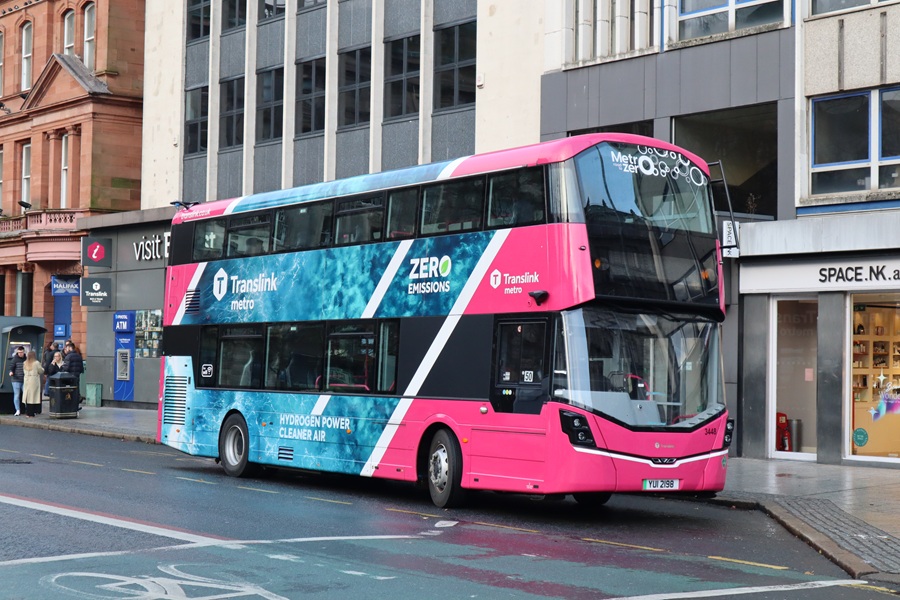
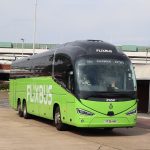
While the outlook for hydrogen in bus seems difficult, the view in coach is different. Parts of that sector take high utilisation to an art form, with some scheduled applications covering 1,000km per day.
Believers point to that requirement as an enabler for hydrogen coaches, alongside rapid fuelling compared to charging a large battery pack, variable usage cycles and the perhaps overlooked luggage capacity consideration as ticking the hydrogen box.
That argument is difficult to unstick, although a counterpoint surrounds how battery-electric technology has developed massively over the past 10 years and will no doubt continue in that vein. Finnish battery manufacturer Donut Lab talks of its solid-state energy storage – designed for vehicles – as being a watershed in that aspect.
But hydrogen may well form part of the HGV transition. If it does, a volume requirement will come, and there is an ever-increasing recognition that coach will follow a similar roadmap to HGV in its move away from diesel. The roadside fuelling situation for hydrogen is set to stay a chicken-and-egg conundrum, though.
Wrightbus sees value in hydrogen for coach, with its early efforts there built on scheduled operations. That is logical; such use cases, while heavy, are predictable, and it is known where the coach will go and when, aiding refuelling planning.
Perhaps a critical point to consider is how reasoning for the conclusion of hydrogen bus projects in Aberdeen and the Liverpool City Region is built on fuel availability, and not any inherent problems with the vehicles involved.
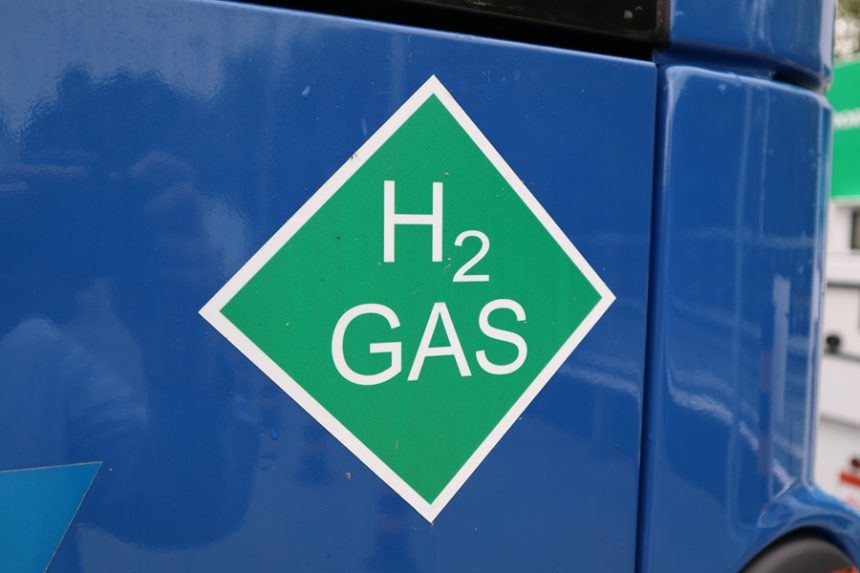
Hydrogen, expensive as it currently is, has been shown to work in road applications. But a hydrogen coach or bus is no use without hydrogen. Battery-electric continues to develop quickly while fuel cell technology is hung up on availability and cost of its energy source.
That is a problem the wider industry is finding very difficult to fix. It needs addressing if momentum in the hydrogen space is not to be lost for good.