


















Rising pressures on the road have highlighted the need for drivers to be given greater in-cab support, Centrad Managing Director Geoff Cross has said.
Mr Cross – who is a former bus operator – believes that vocational drivers face increasing cognitive and physical strain. That significantly compounds risk “and underlines why in-cab safety technology must be viewed as an essential, year-round support system” and not a nice-to-have, Centrad says.
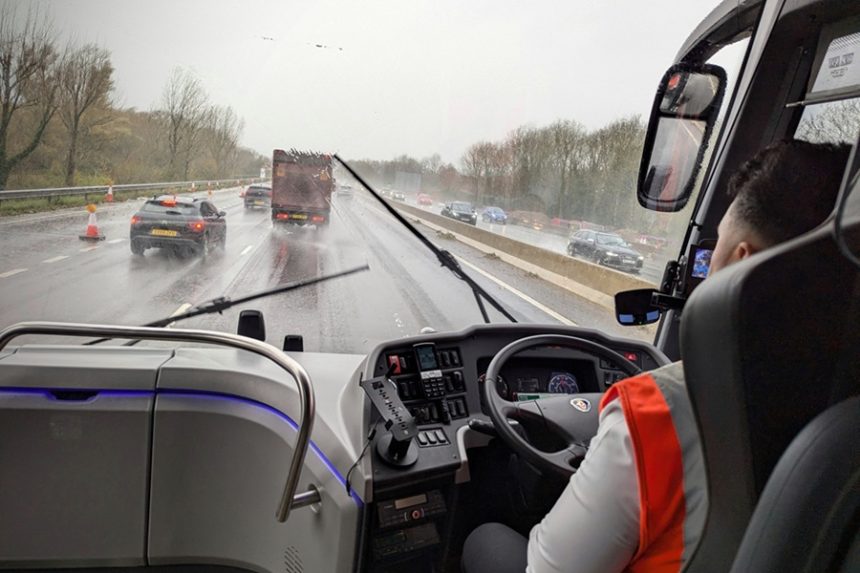
Reasons for the increased pressure include long hours, night drives, demanding schedules and weather factors that can lead to reduced visibility, Mr Cross adds.
“Even the most experienced of drivers operate under constant pressure, and rapidly changing road or traffic conditions can catch anyone out, adding to that load. That is why proactive, built-in support has become so important for protecting drivers and other road users.”
Centrad points to driver assistance technology as having a critical role in protecting drivers after an incident. Provision of clear and objective video evidence can help to ensure that any occurrence is investigated fairly and efficiently, reducing stress and anxiety while avoiding misplaced blame.
The supplier cites AI-enabled driver-facing cameras as items that can monitor signs of fatigue, distraction or mobile phone use and issue real-time alerts that prompt drivers to refocus before risk escalates.
It adds that forward-facing and blind spot cameras integrated with telematics improve situational awareness and help to identify unsafe behaviour such as harsh braking or following too close.
“Driver safety technology does not just react after something goes wrong,” continues Mr Cross. “It actively reduces the likelihood of an incident while giving drivers confidence that, if something does happen, the facts will be clear and fair, ultimately helping to resolve disputes quickly and alleviating an anxiety on the driver’s behalf.”
Also highlighted are real-time fleet management platforms. Those give operators “another crucial layer of protection” by providing live visibility of traffic disruption, emerging risk hotspots, and changing conditions, Centrad says.
“This enables quicker, proactive decisions around rerouting, timing, or warning drivers of potential hazards, giving operators a second set of eyes that facilitates a preventative approach to incidents rather than simply responding to them after the fact.”
Mr Cross believes that camera systems enhance driver awareness in the moment, and fleet management platforms allow operators to manage risk proactively.
“When the two work together, they give drivers and fleet operators a unified, real-time view of what is happening on the road, allowing vehicles to be rerouted if needed.
“That combination reduces uncertainty, lowers cognitive load, and helps drivers to undertake their job with total confidence – and that applies to any day across a calendar year, not just when driving conditions are particularly unsafe.”